
Ideas on how to best plan your new Kitchen
Designing a kitchen is one of the most exciting steps in creating a home. We all know it, kitchen is the heart of daily life, where cooking, conversation, and connection all happen in one place. Getting the design right means balancing aesthetics, practicality, and personal lifestyle.
Whether you’re starting a kitchen renovation or building from scratch, thoughtful planning is key. Below, we share our tips for what to consider when planning your new kitchen and why bringing an interior designer on board can help you achieve a space that truly works for you.
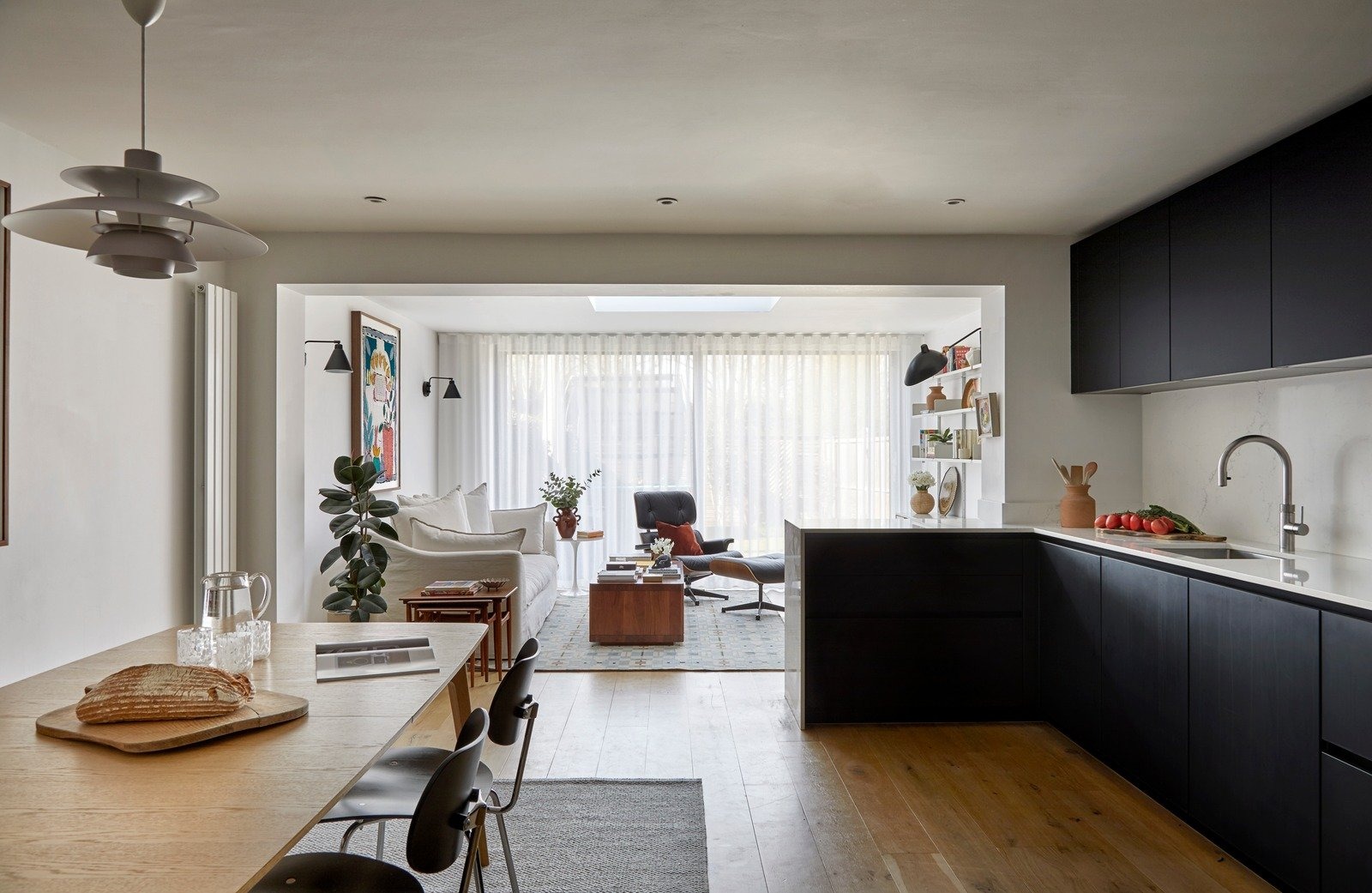
1. Start with How You Live
Before thinking about finishes or colours, consider how you actually use your kitchen day to day. Do you cook often, entertain regularly, or need room for family gatherings? How many people move through the kitchen, and where do you naturally prepare, cook, and clean up? So many key questions to answer. Understanding your daily routines helps define layout, storage, and appliance placement.
A well-designed kitchen should feel effortless, everything in its right place and tailored to how you live. It’s also important to think about your layout preferences.
Do you want an open-plan kitchen connected to living areas, a semi-open plan with subtle separation, or a fully enclosed kitchen for a more traditional setup? Would you like to include an island? (They make wonderful gathering points, but only if there’s enough circulation space around them. ) Have you dreamt of a walk-in pantry? Do you prefer open shelving to display items, or would you rather keep things minimal and clutter-free with plenty of closed storage? Taking time to answer these questions early will make every design decision more intentional.
2. Define the Aesthetic of Your Kitchen
Do you lean toward a modern, minimal aesthetic — or something timeless, layered, and classic? Once you’ve defined your style, focus on materials. This can be one of the most challenging (and enjoyable) parts of kitchen design. The right materials will determine not just the look but also the feel and durability of the space. Consider how surfaces will age, how they handle wear, and how they reflect light and texture. Choosing the right combination of finishes — from cabinetry and countertops to flooring and hardware — sets the tone for the entire room.
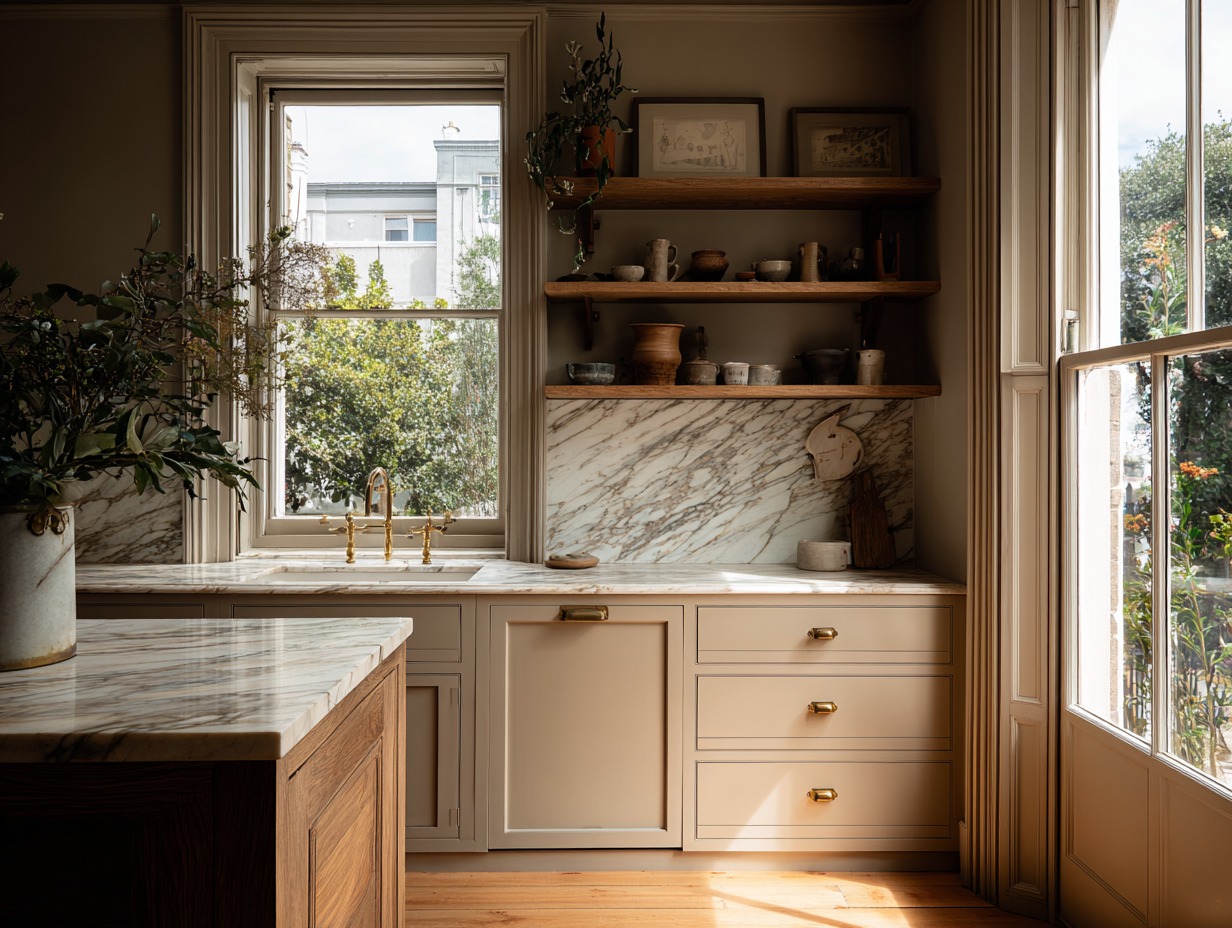
3. Practical Considerations
A beautiful kitchen is only as good as it is practical.
Flow and Function
A successful layout revolves around the relationship between cooking, cleaning, and preparation zones — often referred to as the “working triangle” (sink, hob, fridge). Use it as a guide but adapt it to your space and lifestyle. Today’s kitchens are social spaces too, so balance functionality with openness to make cooking, chatting, and hosting feel natural.
Storage is key
Smart storage design makes daily life easier. Plan where everyday items live, from plates and pots to appliances like coffee makers or toasters that might be better tucked behind closed doors. Consider tall pantry cabinets, drawers of varied depths, and integrated features such as pull-outs, recycling systems, and hidden storage. An interior designer can help you identify underused areas and create bespoke joinery solutions that make your kitchen look sleek and stay organized.
Lighting
Lighting is crucial for every space and so is for the kitchen. Combine task lighting for preparation areas with ambient lighting for atmosphere. Layer ambient, task, and accent lighting to create warmth and usability throughout the day. Choose fittings with interesting finishes or textures that complement your materials and bring a touch of character to the space
4. Budget & Timeline
Every project benefits from early clarity on cost and timing. Bespoke kitchens allow for customised solutions that fit your home perfectly. These are ideal for tricky spaces or unique materials but come at a high price point. They offer great flexibility in terms of colours and finishes. Modular or factory-made kitchens can be more budget-friendly and faster to deliver but offer less flexibility. Allow sufficient time for design development, approvals, and installation. Patience pays off with a more cohesive final result.
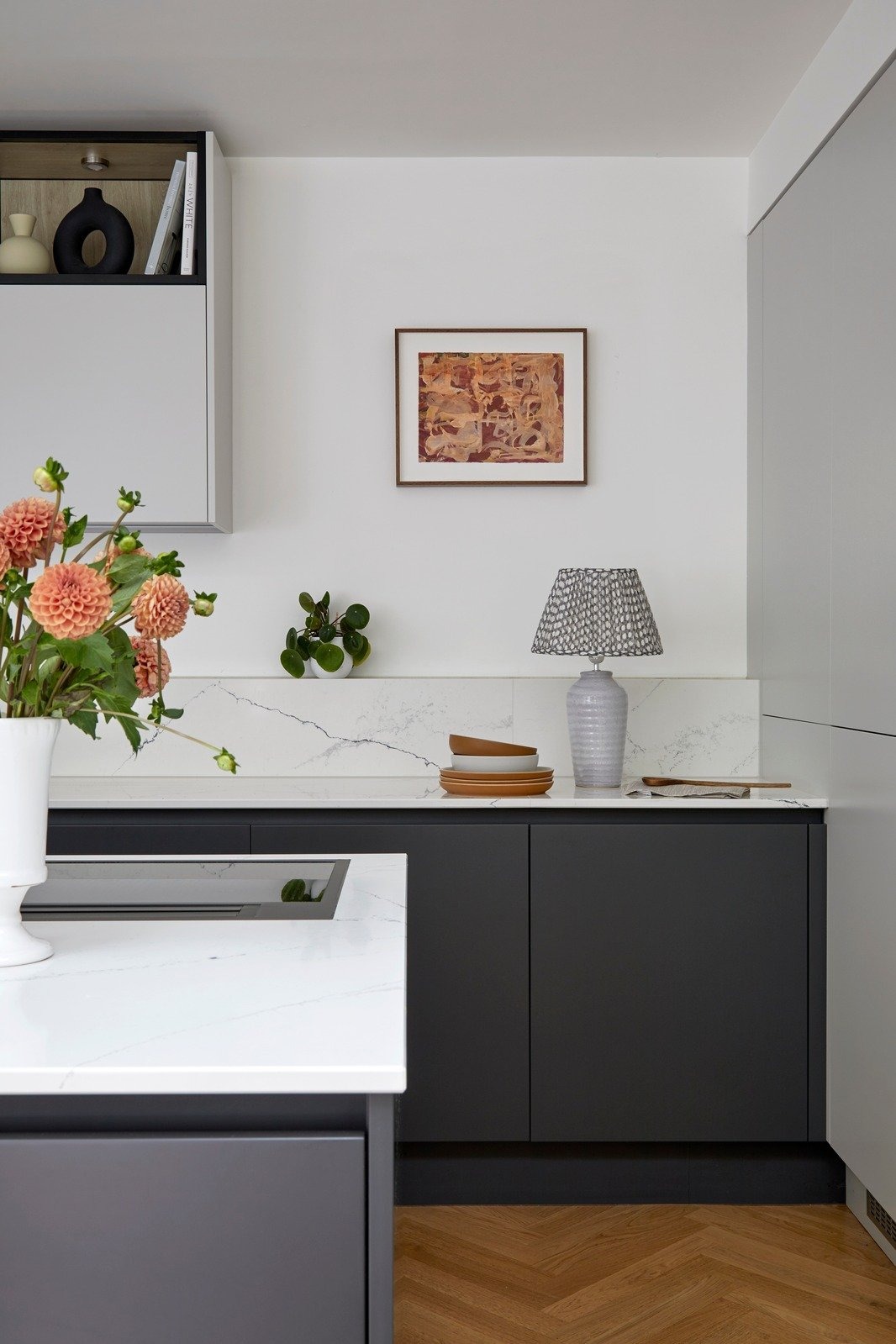
The benefits of hiring an interior designer for your kitchen
A designer will help you visualise the space, coordinate materials, and ensure a harmonious blend of style and function. With expert guidance, your kitchen becomes a cohesive, timeless part of your home rather than a collection of elements.
Designing a kitchen involves so many decisions, from layout, lighting, materials, finishes to site coordination and trades management. An Interior Designer can help you visualize the space before you build, coordinate materials, and ensure a harmonious blend of style and function throughout your home. Their expertise means you can maximise function through clever layout and spatial planning. Curate finishes and colours that complement the rest of your home. Coordinate joinery, lighting, and styling so every detail feels considered. Connect you with trusted suppliers and craftspeople who deliver quality.
Most importantly, a designer ensures your kitchen feels cohesive with your home’s architecture and reflects your personality.
Designing a kitchen involves countless decisions — from layout and lighting to materials, finishes, and joinery details. An interior designer helps you bring it all together.
Final Thoughts
Your kitchen should be a reflection of you — functional, personal, and full of warmth. With thoughtful planning, material harmony, and expert guidance, it can become not just a place to cook, but the real heart of your home. Whether you’re starting from scratch or refining an existing layout, taking the time to plan — and, if possible, working with a designer — will help you create a kitchen that supports your lifestyle beautifully.
Need guidance with your kitchen renovation? Our studio offers tailored design services, from concept to completion, ensuring your kitchen feels both beautiful and built around your life. Book an initial consultation today.
Your space should be a reflection of you, functional and filled with personality.