
How to Start Sourcing Art for your Home
It is without a doubt that art has the power to turn a house to a home. Whether it’s a sketch picked up on a holiday, a print from a local fair, a heirloom you’ve inherited or a painting you saved for.
Many homeowners are invested in elevating their home through art but often they leave this part of the home journey last or when it comes to deciding on the right piece, they simply delay the decision or just don’t know where to start. Some others may have inherited art pieces, but they don’t know where to hang them what to do with them and are waiting for the right space. Some love and appreciate art but when it comes to buying or committing a budget, they feel unsure where to begin or feel intimidated about even starting the process, let alone enter a gallery.
In this post we aim to demystify the process by giving you our top tips and ideas for how to go about sourcing art for your home and how to get the confidence about what art to buy; hopefully empowering you to start and helping you make confident choices.
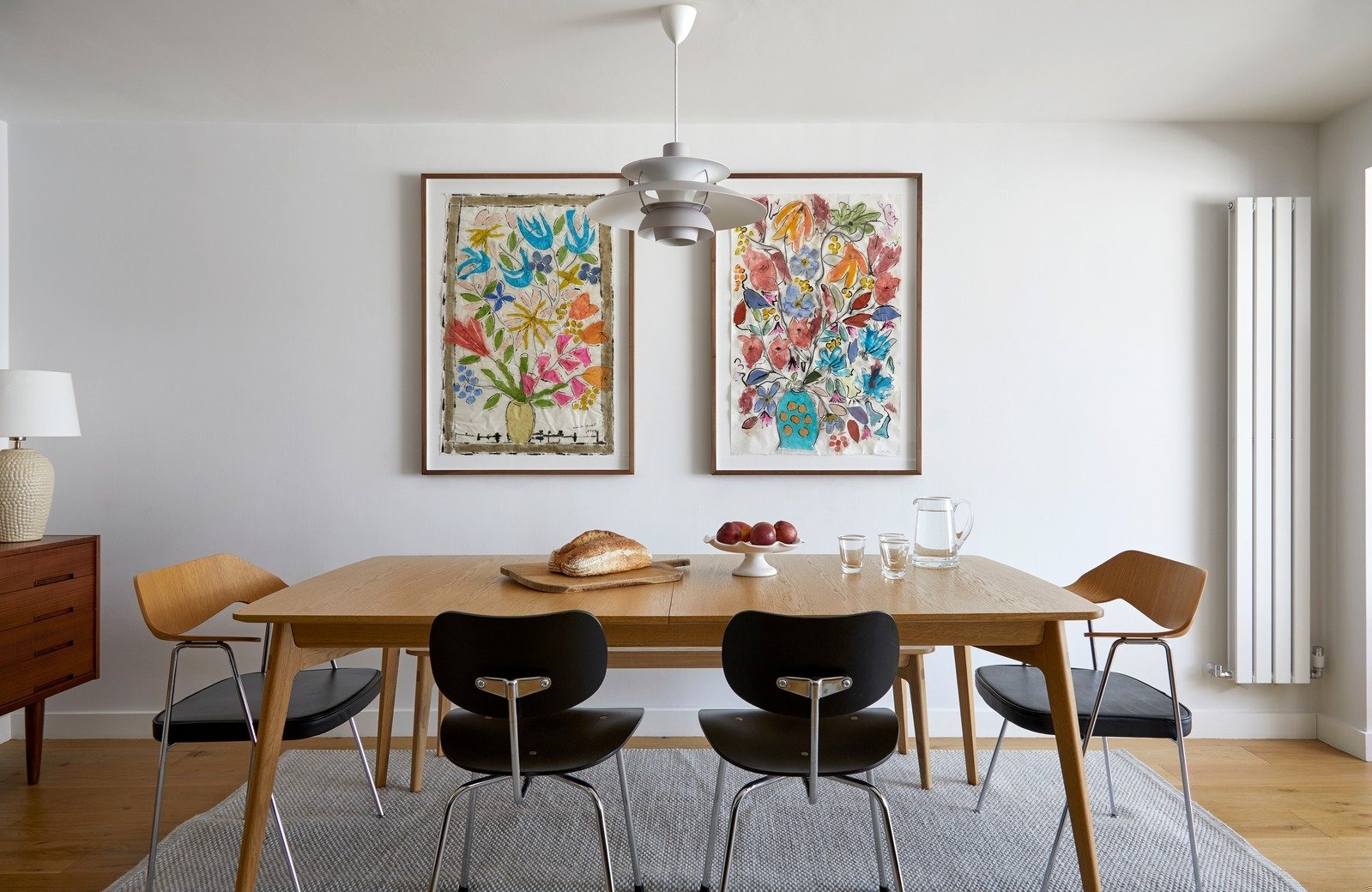
Where to start
First step is to seek inspiration and educate your eye.
This step is such an important one so take your time and do not rush. The more you see the better and the more confident you will come out of the process about what type or style of art you want to buy. While you immerse yourself in the process, start questioning why you like or dislike a particular piece/genre/style/colour. Take a moment to witness your feelings and ask yourself ‘could I live with this piece for the long term? ’. Slowly, you will come to understand what you are attracted to, and you will even reach a point where you have the confidence about this piece being the one.
Seeing widely helps you understand what you like and why. Make this a relaxed, enjoyable process. The places I suggest seeking inspiration are:
- Visit a mix of spaces: museums, exhibitions, national galleries to neighbourhood galleries and pop-up shows. It can be that highly established museum or a local gallery or an exhibition in a town you have travelled.
- Art fairs are also a great place to put in the mix; you’d be surprised by local art offerings. Vintage markets are also a great place to wander so as to understand that vibe which can be exciting and offer unique lived-in feel.
- Attend university and student shows to check emerging talents; they’re affordable and full of fresh work.
- And let’s not forget Instagram which is a great place to explore artists, especially ones who are not in galleries or fairs. Just scroll and you will be surprised when you bump onto that piece you were looking for.
- Talk to gallerists and artists. Ask about the work, the process, and the story. Attend events if you are a little bit more keen. My advice is do not be intimidated by those who know more. It’s your only way in to gain insights into the world of art.
- Lastly, speak to us interior designers, we have an immense database of galleries and artists and can be invaluable in helping you source a piece or bring you in touch with specialists. We can help you navigate the journey!
Think of the inspiration journey as a benchmark exercise and an opportunity to train your eye. The more places you visit, the more informed you will be and the more coherent your taste becomes
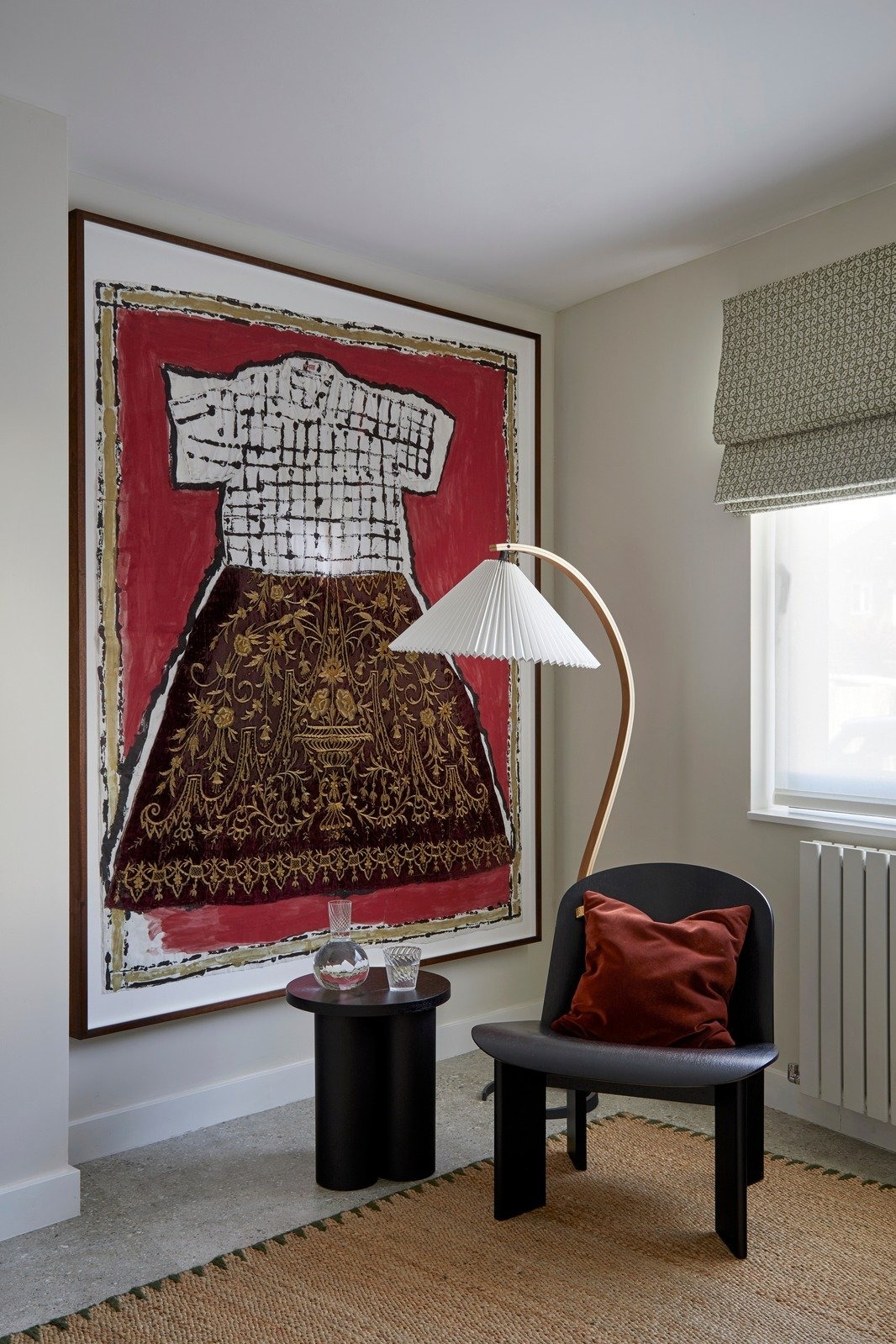
Establish your budget
Art comes at every price point. After you are more confident with your taste, setting a budget will focus your search and remove decision fatigue. Having a budget will also enable you to decide whether you want to collect for enjoyment or for potential investment. For example, you may feel comfortable buying entry level pieces such as high-quality prints, limited editions, student work, local makers. Or you may be ok to purchase mid-range level such as from emerging artists, original small paintings, photography. Lastly, you may collect for investment buying from established artists, gallery-represented works, limited editions with provenance. All are valid, it is just good to be clear about your priorities. You can combine approaches — a big statement piece can sit comfortably alongside more modest discoveries.
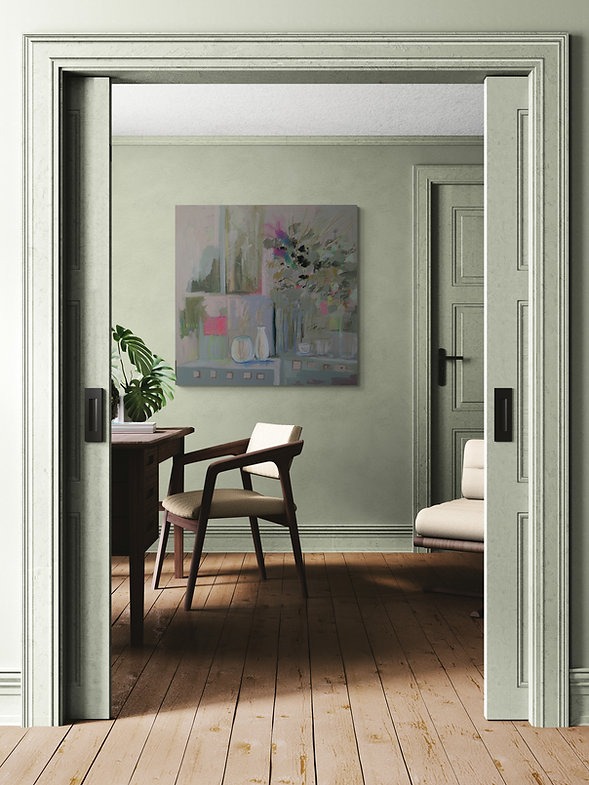
Artwork by Angela Murray
Buy art that you love
Buy art that you love and enjoy the process. This may sound very cliche, but it is so true and a real compass guiding my decisions for when I personally buy art. When you buy art, you need to raise the questions to yourself. ‘Do I love this? ’, ‘Can I live with this piece in many more years to come? ’. It is worth noting here that you do not always need a strong reason to buy art, simply follow your instinct. Sometimes the decision to buy art is simply about responding emotionally to art, a piece remind us of a place or we have just loved the calmness and colour of it. And not all the pieces that you buy ought to be hero pieces. What has stuck with me over the years, is that I have come to love an inherited art piece simply because it reminds me of the person that gifted it to me or the reason it was gifted.
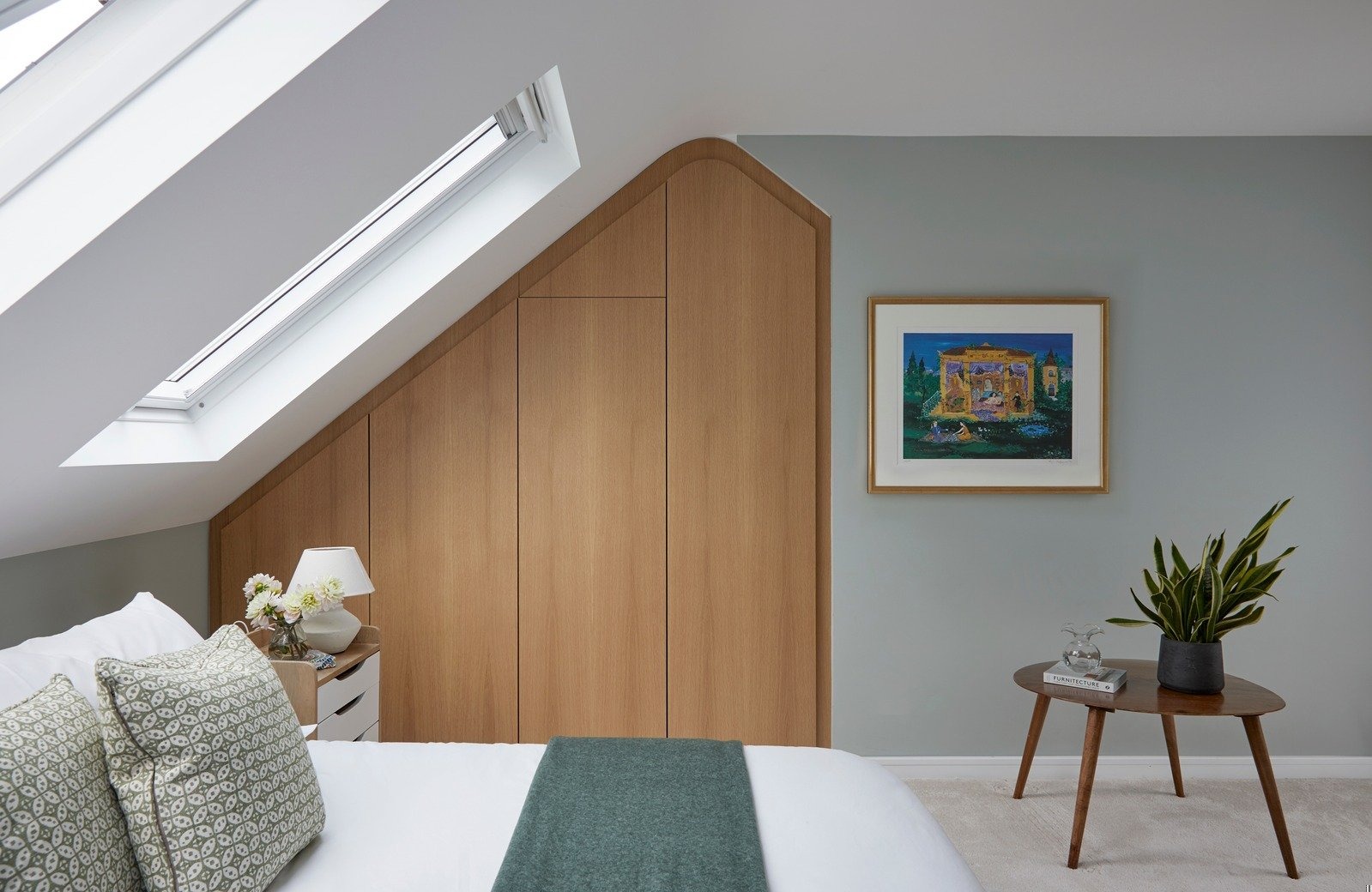
Curation and other tips
Some less obvious tips that I have come to realise over the years.
Build your confidence slowly. You can start with one piece you love. Live with it. See how it feels in different lights and seasons. Over time, layer more works, a side table print here, a larger painting there.
You shouldn’t buy art to match your space. If it moves you, you’ll find a way to make it fit.
Once you have it, hang it. . Do not wait for the right space, you can always change it. It’s great to experiment as this is the only way you will know where the piece that you bought fits best.
When buying, it is good to understand the artist and the authenticity of the piece. In the overall costs, you need to consider framing/transport costs. It is also a good exercise to keep records of what you’ve bought (artist, gallery, cost, authenticity).
Curation is king. It’s great to mix scales, mediums, and frames to build interest. You can aim for cohesion via shared tones, a repeating shape, or a theme that can unify an eclectic mix. When you find a piece you like, consider practicalities such as scale, placement, lighting and framing.
Ultimately, art is a very personal journey and there are no right or wrong decisions when it comes to buying. The pieces you choose should have an emotional connection to you and that will ultimately make your space feel more you and tell your story. Whether it’s a modest print or a statement painting, the best pieces are those you can’t imagine being without. Start small, stay curious, and let your home become a gallery of your life.